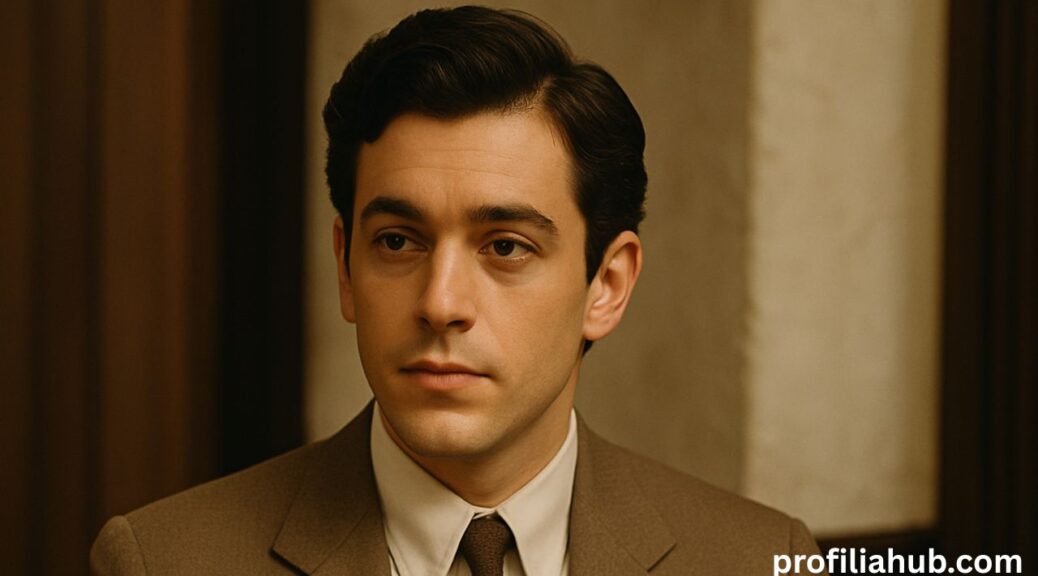
Eddie Kurland 9 Powerful Facts Behind The Godfather Story
Eddie Kurland is a name that has recently gained attention among movie lovers and film historians who are curious about the fascinating behind the scenes film production of legendary movies. Many people first heard about Eddie Kurland through discussions surrounding the making of The Godfather, one of the most influential films in cinema history. Although he is not as widely recognized as actors or directors, Eddie Kurland represents the many professionals who contribute quietly to the success of major Hollywood productions. These individuals often work within the film production team, helping producers and directors manage complex schedules, communication, and production tasks that keep a movie moving forward.
Interest in Eddie Kurland increased when audiences began exploring the dramatic The Godfather production story, which revealed the intense challenges faced during the film’s creation. From dealing with studio pressures to coordinating multiple departments, the production process required careful planning and strong teamwork. Stories about Eddie Kurland help highlight the dedication and effort involved in the Hollywood filmmaking process, where even small roles can have a major impact on the final result. Understanding figures like Eddie Kurland gives audiences a deeper appreciation for how legendary films are created and why Hollywood classic films continue to influence filmmakers and storytellers around the world.
Quick Profile of Eddie Kurland
Eddie Kurland is a name that gained attention among film enthusiasts after the release of the television series The Offer, which dramatizes the making of The Godfather. While he is not as famous as directors or actors, the character of Eddie Kurland represents the many professionals who work quietly in the background during the movie production process. His story reflects how the film industry behind the scenes functions and how teamwork is essential to producing legendary movies. In discussions about the Godfather trilogy production, Eddie Kurland is often connected with producer Albert S. Ruddy, whose determination helped bring the film to life.
Many movie historians believe the character symbolizes the hard-working individuals in the film production team who managed daily responsibilities such as scheduling, coordination, and communication. During the era of filmmaking in the 1970s, Hollywood productions were large and complex projects that required careful organization. The story surrounding Eddie Kurland helps audiences understand the difficult and fascinating Hollywood filmmaking process. It also highlights how the film production assistant roles contributed to the success of major productions. The following table summarizes commonly discussed details associated with Eddie Kurland in film discussions and television portrayals.
| Detail | Information |
|---|---|
| Name | Eddie Kurland |
| Profession | Production assistant / industry associate |
| Known For | Association with The Godfather production story |
| Industry Role | Support member of the film production team |
| Era | filmmaking in the 1970s |
| Associated With | Producer Albert S. Ruddy |
| Industry Context | classic cinema history |
Although information about the real historical figure remains limited, the name Eddie Kurland has become symbolic of the thousands of professionals who support the work of a Hollywood film producer. His story provides a window into behind the scenes film production, demonstrating how teamwork, dedication, and persistence are essential to creating classic Hollywood movies.
Who Is Eddie Kurland?
The question “Who is Eddie Kurland?” has become popular among fans of The Godfather, one of the most influential Hollywood classic films ever produced. Many viewers first heard the name through The Offer, which tells the dramatic Godfather trilogy production story. In the show, Eddie Kurland appears as a loyal assistant to producer Albert S. Ruddy, helping him navigate the complicated Hollywood filmmaking process during the production of the film. This portrayal illustrates the type of responsibilities handled by individuals working in film production management and supporting roles.
Also Read:/linda-kay-cooper-summary/
In the real world, large film projects rely on hundreds of workers performing specialized duties. The movie production process includes planning, budgeting, casting, location scouting, marketing, and distribution. People like Eddie Kurland often serve as connectors between departments, helping communication flow smoothly between directors, actors, and studio executives. Their work involves film production logistics, scheduling meetings, coordinating travel, and ensuring that equipment and crew members are where they need to be. This role is essential in maintaining efficient filmmaking collaboration across departments.
The rise of Eddie Kurland’s popularity also highlights the growing public interest in Hollywood film history and the complex systems that create cinematic masterpieces. Film fans today are curious about the stories behind the camera, not only the stars who appear on screen. Understanding the experiences of figures like Eddie Kurland allows audiences to appreciate the teamwork required in behind the scenes film production. It also shows how the movie industry career paths of assistants, coordinators, and producers contribute to the development of cinematic storytelling techniques that shape modern filmmaking.
Is Eddie Kurland a Real Person or a Fictional Character?
One of the most debated topics about Eddie Kurland is whether he is a real person or a fictional character. The popularity of The Offer has created curiosity about the historical accuracy of the characters portrayed in the series. The show attempts to recreate the intense The Godfather production story, including conflicts between studios, directors, and organized crime groups who were concerned about the film’s portrayal of Italian Americans. In this dramatized version of events, Eddie Kurland appears as an assistant supporting producer Albert S. Ruddy, illustrating the challenges of film production management.
However, many historians believe Eddie Kurland may represent a combination of real individuals who worked within the film production team during the production. Hollywood productions frequently merge multiple real-life roles into a single character to simplify storytelling. This practice allows writers to present complicated events more clearly for television audiences. The portrayal highlights the importance of people who work in film production assistant roles, individuals who help organize schedules, communicate between departments, and manage everyday tasks that keep a production running smoothly.
The debate surrounding Eddie Kurland also reflects a broader interest in classic cinema history and how films are produced. In the early 1970s, Hollywood was experiencing a major transformation known as the New Hollywood movement, when younger directors began experimenting with bold storytelling styles and realistic themes. During this period, films like The Godfather became symbols of the evolving movie industry evolution. Whether Eddie Kurland existed exactly as portrayed or represents a symbolic character, the story highlights the importance of teamwork, persistence, and creativity within the Hollywood production company system. Ultimately, the character reminds viewers that even legendary films depend on the dedication of people working quietly in the background.
Early Life and Background
Very little verified information exists about the early life of Eddie Kurland, which is one reason his story has become so intriguing among movie historians. The character depicted in The Offer suggests that he entered the entertainment industry as a young professional eager to learn about film production management and the inner workings of the Hollywood filmmaking process. In many ways, his character represents the typical path of someone beginning a movie industry career during the era of filmmaking in the 1970s.
At that time, Hollywood was undergoing dramatic change. The traditional studio system was weakening, and new directors were experimenting with fresh storytelling ideas. This environment created opportunities for young professionals to join production teams and learn directly from experienced filmmakers. The period also coincided with the rise of the New Hollywood movement, which encouraged innovative storytelling and realistic characters. People entering the industry during this time were often inspired by the success of classic Hollywood movies while also exploring modern cinematic styles.
Working in the early stages of a film career usually involved assisting experienced producers or directors. New workers frequently performed tasks related to film production logistics, including organizing paperwork, coordinating communication between departments, and assisting with movie budgeting and location scouting. These responsibilities allowed them to observe the entire movie production process and understand how different departments cooperate. This learning environment played a major role in shaping future film industry pioneers who later became producers, directors, and writers.
The following table explains common responsibilities for entry-level roles in film production during that era.
| Production Role | Main Responsibility |
|---|---|
| Production Assistant | Coordination of daily production activities |
| Assistant to Producer | Supporting communication with the studio |
| Location Coordinator | Assisting with movie budgeting and location scouting |
| Script Assistant | Maintaining script revisions |
| Logistics Coordinator | Managing schedules and equipment |
Through roles like these, many professionals gained experience and developed valuable relationships that shaped their careers. The story of Eddie Kurland therefore represents the beginning stage of many successful careers in the film industry behind the scenes, where passion for storytelling and teamwork can eventually lead to a lasting cinematic legacy.
Eddie Kurland and The Godfather
The association between Eddie Kurland and The Godfather is what made his name recognizable among movie fans. The film, released in 1972 and directed by Francis Ford Coppola, is widely considered one of the greatest achievements in classic cinema history. It tells the story of a powerful crime family while exploring themes of loyalty, power, and morality through innovative cinematic storytelling techniques. However, the journey from script to screen was filled with difficulties, making the The Godfather production story almost as dramatic as the film itself.
During the development of the movie, the production faced intense pressure from studio executives, community organizations, and financial concerns. Paramount Pictures, the studio behind the project, was initially uncertain about whether the film would succeed. The team responsible for the film had to manage numerous film production challenges, including casting disputes, location issues, and budget restrictions. In dramatizations of these events, Eddie Kurland appears as a loyal assistant supporting producer Albert S. Ruddy while navigating the complicated Hollywood filmmaking process.
One of the most famous moments in the film, the iconic horse head scene, became a symbol of the movie’s powerful storytelling style. Scenes like this demonstrated the strength of storytelling in cinema, combining dramatic tension with visual creativity. These artistic decisions helped transform the movie into one of the most celebrated Hollywood classic films ever produced. The film also played a major role in shaping the reputation of the Hollywood production company system by proving that bold storytelling could attract massive audiences.
The influence of The Godfather extended far beyond its original release. The film inspired a generation of directors and screenwriters, reinforcing the importance of filmmaking teamwork and creative collaboration. Its success showed that when talented individuals work together in a coordinated film production team, the result can become part of the enduring Hollywood movie legacy that continues to inspire filmmakers today.
Role in the Making of The Godfather
The role associated with Eddie Kurland during the The Godfather production is often described as a supportive and operational position within the production structure. In dramatizations of the making of The Godfather, Eddie Kurland represents individuals responsible for coordinating communication between producers, directors, studio executives, and the larger film production team. These responsibilities may seem simple, but they were essential to keeping the entire movie production process organized and efficient. At the time of the film’s production in the early 1970s, movie projects were extremely complex and required constant coordination between departments such as casting, costumes, cinematography, and marketing.
During the filming of The Godfather, numerous film production challenges threatened to delay or cancel the project. Studio executives were worried about the cost of production and whether the film would succeed at the box office. The team responsible for the film had to handle film production logistics, including coordinating filming locations across New York and California. Tasks related to movie budgeting and location scouting were especially important because they determined how the film could be produced within financial limits. The famous iconic horse head scene, which became one of the most memorable moments in classic Hollywood movies, required careful planning and coordination from multiple departments.
The success of the film demonstrates the power of filmmaking teamwork and the importance of cooperation within a Hollywood production company. Even though directors and actors receive the most attention, the reality is that films are created through large-scale filmmaking collaboration. Individuals working in film production assistant roles and film production management often ensure that schedules run smoothly and resources are available when needed. The The Godfather production story therefore highlights how contributions from behind-the-scenes professionals helped transform the film into a timeless piece of Hollywood film history and an enduring example of the Hollywood filmmaking process.
Eddie Kurland in The Offer Series
The modern interest in Eddie Kurland increased dramatically after the release of the television series The Offer, which tells the dramatic Godfather trilogy production story from the perspective of producer Albert S. Ruddy. The show focuses on the challenges faced while producing The Godfather, including conflicts with the studio, casting debates, and external pressure from powerful organizations that were concerned about the film’s portrayal of Italian-American communities. Within the series, Eddie Kurland appears as a loyal assistant who helps Ruddy manage the difficult Hollywood filmmaking process.
In the series, the character reflects the many individuals who worked quietly within the film industry behind the scenes. The story emphasizes how assistants and coordinators played an important role in managing communication, organizing meetings, and solving everyday production problems. Through this portrayal, audiences gain a deeper understanding of how the film production team functions and how different departments cooperate during the movie production process. The show also illustrates the intense pressure faced by the crew while creating one of the most famous Hollywood classic films in history.
The success of The Offer also renewed public interest in Hollywood film history and the dramatic stories behind legendary films. By dramatizing the making of The Godfather, the series demonstrates the importance of storytelling in cinema not only on screen but also in real-life filmmaking experiences. Many viewers discovered that the creation of a film can be as exciting and dramatic as the story being told. Through the character of Eddie Kurland, the show highlights the contributions of people working in behind the scenes film production, reminding audiences that major cinematic achievements depend on strong teamwork and dedication within the film production team.
Relationship with Producer Al Ruddy
The professional relationship between Eddie Kurland and producer Albert S. Ruddy is central to the story portrayed in The Offer. Ruddy was the primary Hollywood film producer responsible for bringing The Godfather to the screen. His determination and ability to negotiate with studio executives helped overcome numerous film production challenges during the early stages of the project. The character of Eddie Kurland is often shown assisting Ruddy in organizing meetings, managing schedules, and helping maintain communication between the production team and the studio. This relationship reflects the importance of mentorship and guidance within the movie industry career path.

The Al Ruddy partnership with his team demonstrates how successful films depend on trust and collaboration. Producers rely heavily on assistants and coordinators to handle daily tasks so that they can focus on creative decisions and negotiations with studios. In many cases, young professionals working alongside experienced producers gain valuable knowledge through mentorship in filmmaking. This system allows newcomers to learn about film production management, film production logistics, and the broader Hollywood filmmaking process while contributing to major projects.
Ruddy’s success with The Godfather later established him as one of the most recognized famous movie producers in Hollywood. His work on the film helped shape the Hollywood movie legacy of the 1970s and proved that ambitious storytelling could succeed in mainstream cinema. Through collaboration with dedicated team members, including assistants like Eddie Kurland, Ruddy demonstrated how strong leadership and teamwork could overcome obstacles in the movie production process. Their partnership therefore represents an example of one of the many famous Hollywood collaborations that helped create enduring masterpieces in classic cinema history.
Career and Contributions in Hollywood
Although the name Eddie Kurland is primarily associated with The Godfather, the broader story reflects the experiences of countless individuals working in the film industry behind the scenes. Many professionals begin their careers in support roles, learning about film production management, scheduling, and the organization required for large film projects. Over time, these experiences can lead to greater responsibilities within a Hollywood production company, including positions in production coordination, script supervision, or assistant directing.
Careers in the film industry often develop through a combination of practical experience and professional relationships. Working within a film production team allows individuals to observe how producers, directors, and writers collaborate during the Hollywood filmmaking process. In many cases, professionals gain valuable knowledge about film production logistics, including transportation, equipment management, and scheduling. These skills are essential for maintaining efficiency within the movie production process, particularly in large-scale productions involving hundreds of crew members.
The following table shows typical career progression within film production roles.
| Career Stage | Typical Responsibilities |
|---|---|
| Production Assistant | Supporting daily activities and coordinating communication |
| Production Coordinator | Managing schedules and film production logistics |
| Associate Producer | Assisting the Hollywood film producer in project development |
| Producer | Leading the film production team and overseeing budgets |
The story associated with Eddie Kurland illustrates how professionals working in supportive roles contribute to the overall success of a film. Their dedication ensures that creative ideas can be transformed into completed projects. These contributions form part of the larger cinematic legacy that defines the success of classic Hollywood movies and the continued growth of the movie industry evolution.
Eddie Kurland in Popular Culture
The name Eddie Kurland became widely recognized in popular culture after audiences began exploring the stories behind The Godfather. Modern streaming platforms and documentaries have increased public interest in classic cinema history, leading viewers to explore how legendary films were created. The release of The Offer played a major role in bringing attention to the making of The Godfather, highlighting the fascinating events that occurred during production.
Popular culture often focuses on actors and directors, but the story of Eddie Kurland demonstrates that the film industry behind the scenes is equally important. Television dramatizations and documentaries have helped audiences understand the complexity of the Hollywood filmmaking process and the collaborative nature of filmmaking teamwork. The character of Eddie Kurland symbolizes the countless individuals who work quietly within the film production team, ensuring that every scene, location, and schedule is carefully organized.
This renewed interest has also encouraged discussions about the influence on filmmakers that films like The Godfather continue to have. Modern directors often study the film’s storytelling methods and visual style, analyzing its innovative cinematic storytelling techniques. The continued fascination with the film demonstrates the lasting Hollywood movie legacy created by the production team and the remarkable success of the Godfather trilogy production.
Cultural Impact of The Godfather and Its Characters
Few films have influenced global cinema as deeply as The Godfather. Since its release in 1972, the movie has become a symbol of classic Hollywood movies and an important milestone in Hollywood film history. Its powerful narrative, complex characters, and realistic portrayal of organized crime helped redefine storytelling in cinema. The film also became one of the defining works of the New Hollywood movement, a period when filmmakers began experimenting with mature themes and innovative storytelling techniques.
The cultural impact of The Godfather extends far beyond the film itself. Its dialogue, characters, and visual style have been referenced in countless movies, television shows, and books. Directors around the world continue to study the film as an example of effective cinematic storytelling techniques. The film’s influence can also be seen in the evolution of modern crime dramas, demonstrating its lasting influence on filmmakers across generations.
The film also played a key role in shaping the reputation of Paramount Pictures, strengthening the studio’s position in Paramount studio history. Its success proved that complex and dramatic stories could attract large audiences while maintaining artistic depth. As a result, The Godfather remains one of the most important examples of the Hollywood movie legacy and continues to inspire new generations of filmmakers studying classic cinema history.
Legacy and Influence in Film History
The legacy of Eddie Kurland is closely connected to the success of The Godfather and the broader achievements of the film production team responsible for the movie. Even though his role may have been behind the scenes, the story associated with him represents the many individuals who contributed to the creation of one of the most celebrated films in Hollywood film history. The film’s success demonstrated how powerful filmmaking collaboration can transform a challenging project into a cinematic masterpiece.
The film’s production also reflects the spirit of innovation that defined filmmaking in the 1970s. Directors and producers were exploring new approaches to storytelling and character development, creating films that felt more realistic and emotionally powerful than many earlier productions. This era produced some of the most influential film industry pioneers, and The Godfather became one of the defining achievements of the New Hollywood movement.
Today, film schools and historians continue to study the The Godfather production story as an example of how dedication and teamwork can overcome obstacles in the Hollywood filmmaking process. The legacy of the film reminds audiences that cinema is a collaborative art form, built on the contributions of actors, directors, writers, and the many professionals working within the film industry behind the scenes. Their combined efforts form the foundation of the enduring cinematic legacy that continues to shape modern filmmaking.
Eddie Kurland Net Worth and Financial Success
Information about the exact financial status of Eddie Kurland is limited because individuals working in support roles often remain outside the public spotlight. However, careers in film production can be financially rewarding depending on experience and responsibilities. Professionals involved in film production management and coordination often earn stable incomes within a Hollywood production company, particularly when they work on successful projects like The Godfather.
In the film industry, income levels vary widely depending on position. Producers and directors usually receive the largest share of profits, while assistants and coordinators earn salaries for their work in the movie production process. The following table illustrates approximate salary ranges within film production careers.
| Film Role | Average Income Range |
|---|---|
| Production Assistant | $35,000 – $50,000 |
| Production Coordinator | $50,000 – $80,000 |
| Associate Producer | $80,000 – $150,000 |
| Producer | $200,000+ |
Although Eddie Kurland’s exact net worth is unknown, the success of the Godfather trilogy production demonstrates the financial power of major film projects. The movie generated enormous profits and became one of the most successful classic Hollywood movies ever produced. Its commercial success strengthened the reputation of the studio and contributed to the broader movie industry evolution during the 1970s.
Frequently Asked Questions About Eddie Kurland
Who is Eddie Kurland in The Offer?
In The Offer, Eddie Kurland is portrayed as an assistant working closely with producer Albert S. Ruddy during the making of The Godfather. His character represents the professionals responsible for coordinating communication and managing tasks within the film production team during the Hollywood filmmaking process.
Did Eddie Kurland work with Al Ruddy in real life?
The character in the series suggests a working relationship with Albert S. Ruddy, illustrating the type of collaboration that occurs between producers and assistants during major film projects. This portrayal highlights the importance of teamwork within behind the scenes film production and the value of mentorship in filmmaking.
Is Eddie Kurland a real Hollywood producer?
Eddie Kurland is generally portrayed as an assistant or associate within the film production team rather than a lead Hollywood film producer. His story reflects the contributions of individuals working in film production assistant roles who support producers and directors throughout the movie production process.
Why do people search for Eddie Kurland?
Interest in Eddie Kurland increased after the release of The Offer, which introduced audiences to the dramatic The Godfather production story. Fans of classic cinema history often search for his name while exploring the fascinating film industry behind the scenes.
Is Eddie Kurland still alive?
There is limited publicly available information confirming the current status of Eddie Kurland. Many historians believe the character represents a combination of real individuals who worked in film production management during the production of The Godfather.
Conclusion
The story of Eddie Kurland provides a fascinating look into the hidden world of behind the scenes film production and the teamwork required to create legendary movies. Although the character may not be widely known outside film circles, his story represents the dedication of professionals working within the film production team who ensure that every aspect of the Hollywood filmmaking process runs smoothly.
The creation of The Godfather stands as one of the most important achievements in Hollywood film history. Its powerful storytelling, memorable characters, and innovative filmmaking techniques helped transform it into a defining work of classic cinema history. The film’s success also demonstrated the importance of collaboration, organization, and perseverance within the movie production process.
Ultimately, the legacy connected with Eddie Kurland reminds audiences that great films are not created by a single individual but by the combined efforts of talented professionals working together. Their contributions form the foundation of the enduring Hollywood movie legacy that continues to inspire filmmakers, historians, and movie lovers around the world.