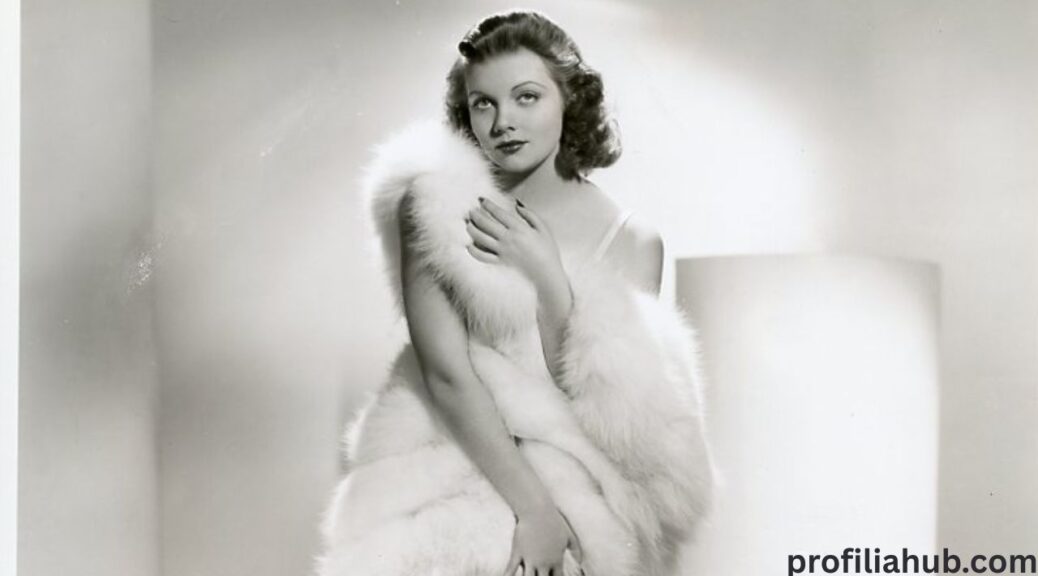
Laurie Lane Biography 10 Amazing Facts About Her Career
Laurie Lane was a remarkable Berlin born actress whose journey from European theatre to Hollywood reflects the story of many artists in the early 20th century. Born in 1914 in Berlin, Germany, she began performing at a very young age, following in the footsteps of her talented sister, Grete Mosheim. Laurie’s early experiences as a German theatre actress shaped her skills, giving her the confidence and discipline needed to thrive both on stage and later on screen. She appeared in numerous productions at the famous Deutsches Theater Berlin, performing works by renowned playwrights and learning under legendary directors, which helped her develop a unique acting style.
With the rise of sound films, Laurie transitioned to cinema, becoming a classic Hollywood actress and a Hollywood immigrant actress, bringing her European training and stage experience to American audiences. Despite facing political challenges and being forced to leave Germany due to anti-Jewish laws, she rebuilt her career in the United States, appearing in films like Summer Storm and College Holiday. The Laurie Lane career serves as a compelling example of talent, resilience, and adaptability, highlighting the contributions of European performers to early Hollywood cinema while leaving a lasting mark on film history.
The story of Laurie Lane offers a fascinating window into the history of cinema, theatre, and migration during the twentieth century. Many readers searching for a detailed Laurie Lane biography want to understand how a young performer from Europe became connected to the early Hollywood film industry. Her path was shaped by talent, determination, and dramatic historical events that forced many artists to move across continents. Through stage performances, early cinema roles, and personal resilience, Laurie Lane built a career that remains interesting for film historians and classic movie fans.
Although she never became one of Hollywood’s most famous stars, the Laurie Lane life story represents the journey of countless immigrant artists who helped shape global cinema. She began as a German actress performing on stage in Berlin and later appeared in several early films during a transformative period in entertainment history. Her work connects the worlds of European theatre and American film culture, making the Laurie Lane Hollywood career an important chapter in film heritage.
Who Was Laurie Lane?
Understanding the identity of Laurie Lane begins with exploring the foundations of her career and personality. The Laurie Lane biography reveals a determined performer who moved between theatre and film during a complicated historical era. Born in Germany in 1914, she became known as a Berlin born actress who first captured attention through theatre performances before transitioning to cinema. At a time when stage acting still dominated entertainment, she developed strong performance skills that later influenced her film work.
Also Read:/robert-rice/
As a German cinema actress and performer, Laurie Lane worked during the early years of sound film technology. Many actors of her generation had to adjust their acting techniques because movies were changing quickly. Her performances in theatre helped her adapt to camera acting. Historians studying the career often highlight her experience as both a European theatre actress and later a Hollywood immigrant actress. These dual influences gave her performances a unique style that blended European stage tradition with the evolving Hollywood film system.
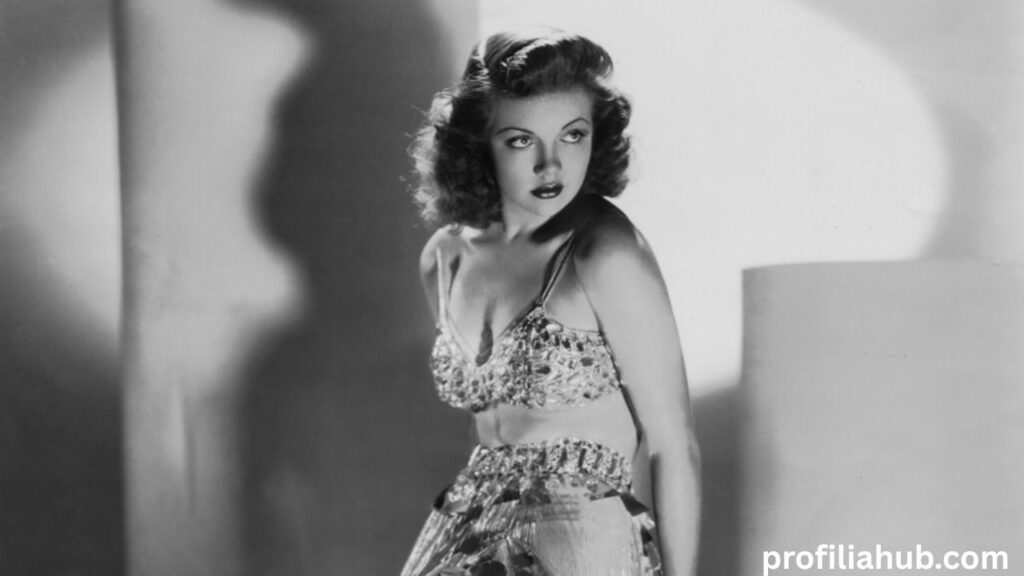
The public image of Laurie Lane actress also reflects the cultural exchange between Europe and America during the twentieth century. Many creative professionals fled political dangers in Europe and rebuilt their careers abroad. Laurie Lane’s professional life followed this pattern. Her journey from theatre stages in Germany to film roles connected her work to the wider history of global cinema.
Early Life and Background of Laurie Lane
The early years of Laurie Lane provide valuable insight into how she developed her interest in acting and storytelling. According to historical records, her early life began in Berlin on July 13, 1914. Growing up in a vibrant cultural center shaped her imagination and creativity. Berlin at that time was filled with theatres, artistic communities, and literary gatherings. This environment exposed the young performer to the world of dramatic arts very early in life.
Being a Berlin born actress meant Laurie Lane grew up surrounded by professional actors, playwrights, and directors. These influences encouraged her to explore performance and theatre during her teenage years. As a result, she developed confidence on stage and learned how to communicate emotions clearly through dialogue and movement. Scholars researching her life story often emphasize how Berlin’s artistic environment nurtured her talent.
Her upbringing also placed her close to some of Europe’s most influential theatre institutions. The city was famous for its dramatic productions and creative experimentation. Within this environment, Laurie Lane slowly transformed from a young enthusiast into a dedicated performer. This period of life laid the foundation for the later career, which would eventually extend beyond Europe and into American cinema.
Laurie Lane’s Family and Personal Background
The family environment surrounding Laurie Lane played a major role in shaping her artistic path.In her family included parents who supported creative expression and cultural interests. Her mother Clara Mosheim and father Markus Mosheim lived in Berlin during a time when theatre and literature were respected professions. This supportive atmosphere helped Laurie explore acting at an early age.
One of the most important influences in the biography was her sister, the well-known actress Grete Mosheim. Grete already enjoyed recognition in the European film and theatre world. Watching her sister perform inspired Laurie to pursue a similar career. Many historians describe this sibling relationship as a key factor behind the development of her career. Growing up beside an accomplished performer allowed her to observe rehearsals, productions, and professional stage work closely.
The artistic identity of the Mosheim family also placed Laurie inside a broader network of creative professionals. Actors, writers, and theatre directors frequently collaborated during this era. Exposure to these environments helped Laurie understand the discipline required for professional acting. Through this family connection, she gradually moved closer to the stage, eventually becoming a German theatre actress known for her early performances in Berlin’s dramatic productions.
Education and Early Interest in Acting
The educational journey of Laurie Lane focused strongly on artistic development rather than traditional academic paths. Like many performers of her generation, she learned by observing experienced actors and participating in rehearsals. The Laurie Lane early life included regular exposure to theatre culture, which naturally strengthened her desire to perform. Instead of formal acting schools, practical experience became her most valuable teacher.
Her earliest performances took place in theatre environments where discipline and creativity were equally important. Directors demanded emotional authenticity, clear speech, and strong stage presence. These qualities gradually shaped Laurie’s professional identity. As she developed her craft, she became recognized as a promising stage actress Berlin theatre audiences admired.
During this stage of development, Laurie also encountered classical playwrights and dramatic literature. Performing works by famous authors helped refine her acting technique. The experience gained during rehearsals and live performances strengthened the foundations of the Laurie Lane career. This training period transformed her from a curious beginner into a committed performer ready to participate in professional theatre.
Laurie Lane’s Early Theatre Career in Berlin
The early theatre career of Laurie Lane represents one of the most fascinating chapters in the Laurie Lane biography. As a teenager she joined productions at the famous Deutsches Theater Berlin, one of Europe’s most respected dramatic institutions. Performing on this stage allowed her to learn from some of the greatest directors and actors of the time.
At the Deutsches Theater Berlin, Laurie appeared in several important productions directed by the renowned theatre director Max Reinhardt. Reinhardt was famous for innovative staging and strong character development. Working under his direction exposed Laurie to advanced performance techniques. These experiences shaped her artistic identity as a European theatre actress and strengthened the early phase of the Laurie Lane career.
The plays performed during this period included works by notable writers such as George Bernard Shaw and Molière. Through these productions she developed versatility in both comedy and drama. Theatre historians often note that such roles helped Laurie gain confidence and recognition. The stage environment allowed her to experiment with character interpretation while refining the expressive techniques that later appeared in the Laurie Lane filmography.
Transition from Stage Acting to Film
As cinema technology advanced during the early twentieth century, many theatre performers began exploring opportunities in film. The same transformation influenced Laurie Lane, who gradually moved from theatre productions into motion pictures. The growth of early sound films opened new doors for actors with strong vocal skills, and Laurie’s stage training proved extremely valuable during this transition.
Film studios were searching for performers capable of delivering dialogue clearly while maintaining emotional expression. Because of her theatre experience, Laurie adapted quickly to the technical demands of filmmaking. The Laurie Lane movies from this period show how stage actors slowly learned to perform for cameras rather than large theatre audiences. This shift marked an important milestone in the Laurie Lane Hollywood career.
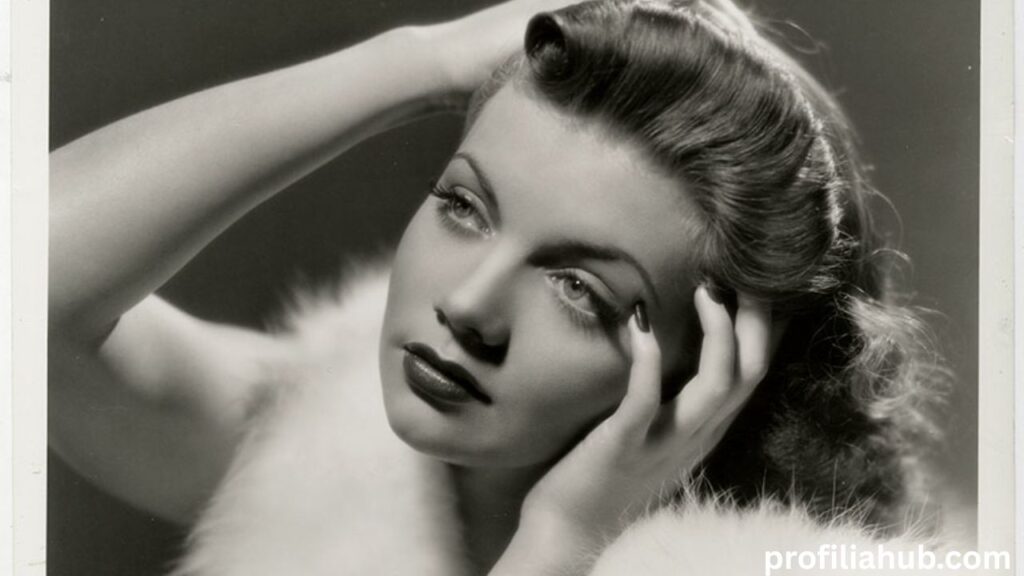
During the early years of sound cinema, many actors experimented with different styles to suit the new medium. Laurie’s ability to blend theatrical expression with subtle film acting helped her gain small but memorable roles. These appearances contributed to the growing Laurie Lane filmography, which eventually included both European and American productions. Her transition from stage performer to screen actress illustrates the broader evolution of cinema during the 1930s.
Laurie Lane’s Journey from Europe to Hollywood
The life of Laurie Lane took a dramatic turn when she was forced to leave Germany due to political unrest. The rise of the Nazi regime created an unsafe environment for many artists, especially those of Jewish descent. Like many German theatre actresses, Laurie had to abandon her familiar life in Berlin and seek safety abroad. Her journey first took her through France and England before she finally reached the United States in 1938. This migration marked the beginning of her career as a Hollywood immigrant actress, facing both opportunities and challenges in a new country.
Arriving in America meant adapting to a completely different cultural and professional environment. Laurie had to navigate unfamiliar studio systems while learning the expectations of classic Hollywood actress roles. Despite these challenges, she gradually found work, often under pseudonyms, in minor film roles. The migration experience not only shaped her professional path but also enriched her personal perspective, making her story a quintessential example of resilience in the Laurie Lane life story. Her determination to succeed in Hollywood highlights her versatility as both a German cinema actress and an international performer.
Notable Movies and Film Credits of Laurie Lane
Laurie Lane movies reflect her range as an actress bridging European and American cinema. Among her earliest notable films were German productions like Die spanische Fliege (1931) and Die Nacht der großen Liebe (1933), where she honed her skills in front of the camera. After relocating to the United States, she appeared in films such as College Holiday (1936), Hunted Men (1938), and the celebrated Summer Storm (1944). Each film showcased her ability to blend theatrical expressiveness with the subtler demands of early sound films.
Her Laurie Lane filmography illustrates the diversity of her roles, ranging from dramatic performances to lighter, more comedic appearances. Although she often took supporting roles, her work left an impression on audiences familiar with classic Hollywood cinema. Film historians note that her performances brought a European sensibility to American film, enhancing character depth. Laurie Lane’s contributions in these movies cement her legacy as a Berlin born actress who successfully transitioned to Hollywood immigrant actress, leaving a mark in both the European theatre tradition and American film industry.
Laurie Lane’s Acting Style and Screen Presence
The Laurie Lane career was defined by a unique blend of theatrical training and screen adaptability. As a European theatre actress, she brought precise timing, expressive gestures, and emotional depth to her roles. In Hollywood, she adjusted these techniques to suit the camera, emphasizing subtle expressions and natural dialogue delivery. Her acting style reflected a combination of classic stage discipline and early film realism, creating a compelling screen presence.
Her performances illustrate the qualities of a classic Hollywood actress while maintaining the intensity of a German theatre actress. Critics often praised her ability to embody diverse characters convincingly, whether in dramatic scenes or lighter narratives. The transition from stage to film allowed her to showcase her versatility, and her Laurie Lane filmography demonstrates consistent attention to character development. This dual influence of European stage training and Hollywood experience made her an essential figure in the Laurie Lane life story, influencing the expectations for immigrant actresses in early American cinema.
Personal Life, Marriage, and Children
Behind the screen, Laurie Lane family life was a significant part of her personal story. She married film producer Erwin O. Brettauer in 1944, who had previously co-founded Angelus Pictures. The couple had two daughters, Margo (born 1947) and Karin (born 1950). Laurie balanced her professional commitments with family life, retreating from active film work in the late 1940s. Her experience exemplifies how many Hollywood immigrant actresses had to navigate both personal and professional spheres simultaneously.
Laurie Lane’s domestic life was complemented by continued visits to Europe, particularly Switzerland, which she considered her second home. This ongoing connection to her European roots maintained her identity as a Berlin born actress and a German cinema actress, even as she lived in Beverly Hills. The Laurie Lane biography often highlights her dual identity as a performer and mother, reflecting the complexities of life for women in Hollywood during this period. Her ability to maintain personal stability while navigating professional challenges underscores the resilience and versatility of her Laurie Lane life story.
Interesting Facts and Trivia About Laurie Lane
Many fascinating details enrich the Laurie Lane biography. For instance, she used multiple names professionally, including Lore Anne Mosheim, Annelore Mosheim, and Lori Lahner, reflecting her efforts to adapt in different markets. Her only contribution to western cinema was a minor role as a saloon girl in La ruée sauvage (1938), yet she remained versatile across genres. She also had notable family connections; her sister Grete Mosheim was a prominent performer, and her grandchildren became part of Hollywood’s social circles.
Another interesting fact is her experience with political turmoil, which forced her migration from Germany to the United States. Laurie Lane’s career reflects both the opportunities and constraints of being a German theatre actress turned Hollywood immigrant actress. Her life embodies resilience, adaptability, and the integration of European artistry into American cinema. These stories make her Laurie Lane life story compelling not only to film historians but also to anyone interested in cultural and historical migration narratives.
Death of Laurie Lane in 1964
Laurie Lane death occurred on February 14, 1964, in Los Angeles, California. She passed away at the age of 49, leaving behind her family and an enduring, though modest, legacy in the film industry. Her early experiences as a Berlin born actress and her later work in Hollywood illustrate the broader historical journey of European artists navigating displacement and assimilation.
Despite her relatively short life, the Laurie Lane biography underscores how her career and personal experiences influenced future generations. Her daughters, Margo and Karin Brettauer, preserved family stories that link Hollywood’s golden era to Europe’s theatrical traditions. Laurie Lane’s Laurie Lane Hollywood career remains a testament to her adaptability and determination, highlighting the challenges faced by immigrant actresses during the early twentieth century.
Legacy and Influence of Laurie Lane in Film History
The Laurie Lane career left an enduring impression on film history, especially in bridging European theatre and Hollywood cinema. Her work exemplifies how German cinema actresses and European theatre actresses contributed to the stylistic development of early American films. Though she was not a superstar, her performances influenced the expectations for expressive acting and professionalism among Hollywood immigrant actresses.
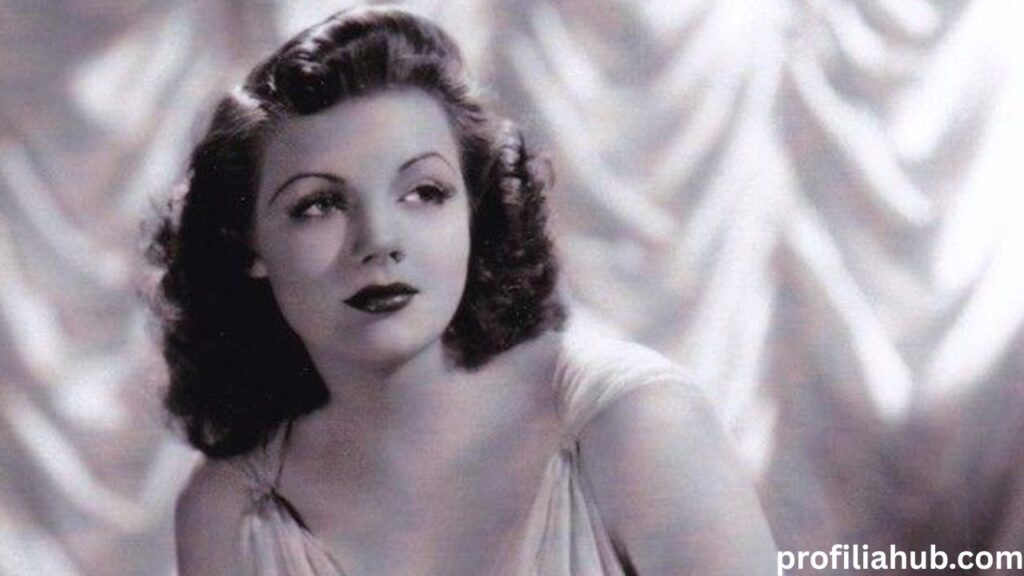
Laurie Lane’s story also provides cultural insight into the experience of artists who fled political unrest and found new opportunities abroad. Her life reminds us of the Laurie Lane life story as a journey marked by talent, adaptation, and resilience. Film historians continue to study her Laurie Lane filmography, examining how her theatrical background shaped her approach to acting and how her legacy persists in the memory of classic cinema enthusiasts. Today, Laurie Lane remains a celebrated example of a classic Hollywood actress whose European roots enriched American film history.
FAQs
Q1: Who is Laurie Lane?
A: Laurie Lane was a Berlin born actress and classic Hollywood actress known for her stage performances in Germany and later roles in American films like Summer Storm and College Holiday. She combined European theatre training with Hollywood cinema skills.
Q2: When and where was Laurie Lane born?
A: Laurie Lane was born on July 13, 1914, in Berlin, Germany, into a family with strong artistic and theatrical connections, including her sister Grete Mosheim.
Q3: What was Laurie Lane’s real name?
A: Her birth name was Lore Anne Mosheim, but she performed professionally as Laurie Lane, and sometimes under other pseudonyms during her Hollywood career.
Q4: What were some notable movies of Laurie Lane?
A: Laurie Lane appeared in films like Summer Storm (1944), College Holiday (1936), and Hunted Men (1938), showcasing her versatility as a Hollywood immigrant actress.
Q5: How did Laurie Lane start her acting career?
A: She began as a German theatre actress, performing at the Deutsches Theater Berlin from age 15, gaining experience in plays by Molière and George Bernard Shaw.
Q6: Did Laurie Lane face challenges in her career?
A: Yes, she fled Germany in 1933 due to anti-Jewish laws and rebuilt her career in the US, becoming a classic Hollywood actress despite cultural and language barriers.
Q7: When did Laurie Lane pass away?
A: Laurie Lane died on February 14, 1964, in Los Angeles, California, leaving behind a legacy of theatre and film contributions.